Bedding · Materials & care
How Waterproof Layers Work in Organic Bedding
A mattress protector can be a discreet piece of bedding with an outsized job: helping keep spills and daily moisture from reaching the mattress beneath. The details matter, though. A barrier’s materials, construction, fit, and care instructions all influence how it feels and performs in an organic bedding setup.
Understanding what “waterproof” means—and what it does not—makes it easier to choose a layer that protects the mattress without overlooking comfort or maintenance.
What a waterproof layer is designed to do
A waterproof mattress protector is made to limit liquid passing through to the mattress. It can be useful against everyday incidents such as a knocked-over glass, perspiration, or an accidental spill. The barrier sits between the sleep surface and the mattress, while the fabric on top provides the feel that comes into contact with the sheet.
That simple arrangement can involve several distinct layers. The outer textile may be cotton or another fabric selected for softness and breathability. Beneath it, a thin membrane is intended to resist liquid. In a bonded construction, the membrane is attached to the textile, rather than hanging loosely underneath. The result is a washable protective layer that can be removed when needed.
Waterproofing is not the same as making the whole bed impervious to every kind of moisture in every circumstance. A protector must fit correctly, remain intact, and be cared for according to its instructions. Liquids can also reach a mattress by travelling around the edges or through an unprotected area. A fitted protector, for example, covers the sleeping surface and sides to the depth of its pocket, but does not necessarily enclose the underside.
It helps to think of a protector as one element in a bedding system, rather than a guarantee against every accident. Its job is to reduce the likelihood that liquid will reach the mattress—and, if it does, to make cleanup more manageable.
The membrane: a small layer with a precise role
The waterproof membrane is often the least visible part of a protector and one of the most consequential. A continuous, thin film can prevent liquid from passing through while allowing some water vapor to move through its structure. This distinction helps explain how a protector may be described as both waterproof and breathable: liquid water and water vapor behave differently.
Breathability is a matter of degree, not a promise that a protector will feel exactly like an uncovered mattress. The textile, the membrane, the way the layers are joined, and the sleeper’s own preferences all contribute to the overall sensation. Some people may notice the extra layer more than others, particularly if they are sensitive to texture, sound, or warmth.
Older or more rigid waterproof constructions can feel less supple and may make a rustling sound as the sleeper moves. Contemporary thin membranes are often designed to be quieter and more flexible. Even so, “quiet” and “breathable” are useful descriptions to investigate, not universal guarantees. Reading the construction details and care directions is more informative than relying on a single adjective.
In organic bedding, the word “organic” generally describes a particular material or the way it has been certified—not necessarily every component of a finished protector. A cotton surface may be certified organic while a separate membrane is made from another material. To understand the complete product, look for a clear materials list and certification information that identifies what the claim covers.
Cotton and the feel of the sleep surface
Cotton is widely used on the upper surface of mattress protectors because it can feel soft against the sheet and is familiar to care for. In a stretch-knit construction, the fabric can flex with the mattress and help the protector sit smoothly. A woven cotton surface may feel different in hand and have less stretch, while a quilted design adds loft and cushioning.
These differences matter because a protector is not simply a shield; it is also a layer in contact with the rest of the bed. A smooth, thin style is likely to preserve more of the mattress’s original feel. A padded protector may introduce a little softness. Someone who wants protection without noticeably changing the surface may prefer to pay close attention to thickness, quilting, and fit.
When cotton is paired with a waterproof membrane, the textile can soften the feel of the layer while the membrane provides the liquid barrier. The combination is not one-size-fits-all. Construction details vary across products, so compare the material composition, whether the barrier is bonded between fabric layers, and whether the protector is designed to stretch over a deep mattress.
Organic certification can offer useful information about the certified textile’s production, but it should not be treated as a substitute for checking the full construction. Shoppers interested in fewer synthetic materials, for example, may want to distinguish the cotton shell from the barrier itself and review any certification or safety claims carefully.
Waterproof, water-resistant, and moisture-managing
Product descriptions sometimes use “waterproof,” “water-resistant,” and “moisture-wicking” in close proximity, although these terms do not describe the same function. Waterproof refers to a barrier intended to stop liquid from passing through. Water-resistant suggests that a material can resist some moisture but may not provide the same level of liquid protection. Moisture-wicking describes the movement of moisture away from the body or surface; it does not, by itself, establish that a layer blocks spills.
Natural fibers such as wool can absorb and release moisture and may provide a useful buffer for small amounts of dampness. A wool moisture pad can therefore suit someone seeking a natural, less plastic-feeling layer for everyday moisture management. It should not automatically be treated as equivalent to a membrane-based waterproof protector, especially when the priority is preventing a significant spill from reaching the mattress.
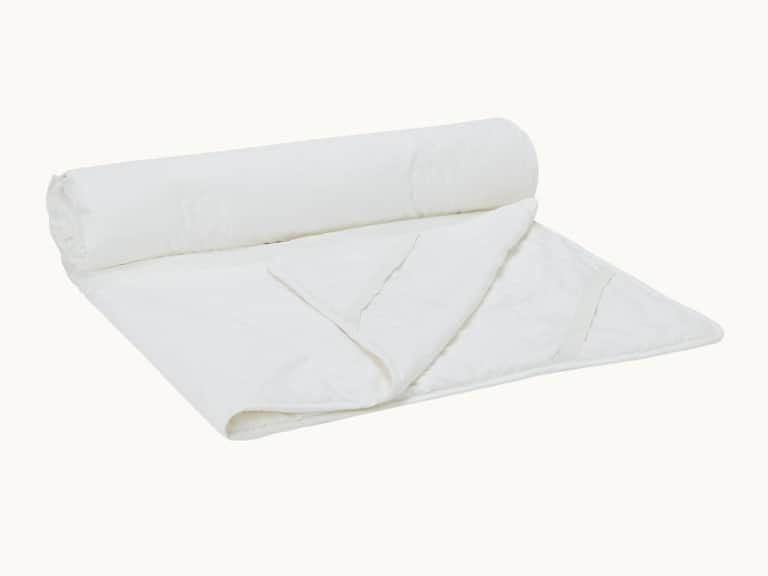
For example, the Naturepedic Organic Waterproof Mattress Protector is described as two layers of organic cotton jersey with a thin waterproof membrane between them. Its fitted style and stretch are intended to help it sit over a mattress, while the membrane is designed to block liquids and allow some water vapor to escape. As with any protector, check the current product details, mattress depth compatibility, and care instructions before deciding whether its construction suits your needs.
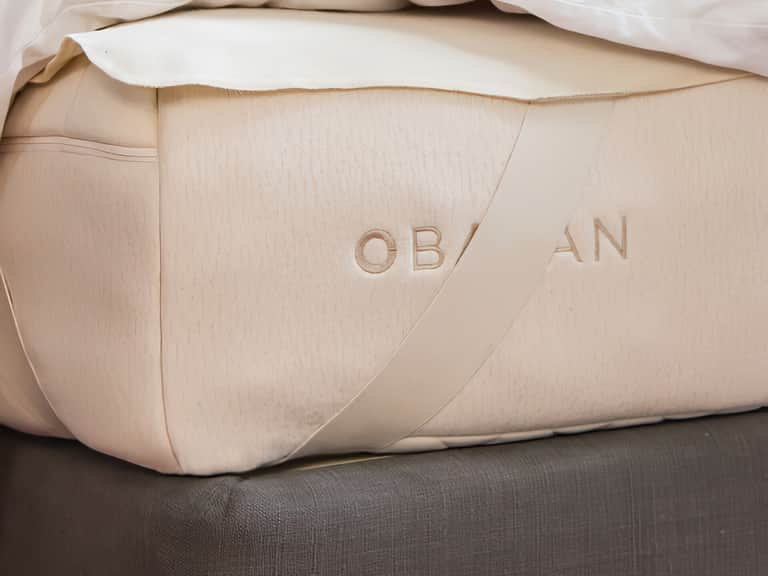
By contrast, an organic wool moisture pad such as the Obasan Organic Wool Moisture Pad Protector is described as water-resistant. That distinction is worth keeping in view: it may make sense for a different combination of preferences and protection needs than a membrane-based waterproof layer. Neither category is inherently the right choice for everyone; the practical question is what kind of moisture you want to guard against and how you want the bed to feel.
Choosing a construction that fits the mattress
A protector that fits poorly can shift, wrinkle, or leave parts of the mattress exposed. Before choosing one, confirm the mattress’s length, width, and depth—including any pillow top or built-in cushioning. A standard size name does not tell the whole story: mattress heights vary, and a fitted protector’s pocket has a maximum depth.
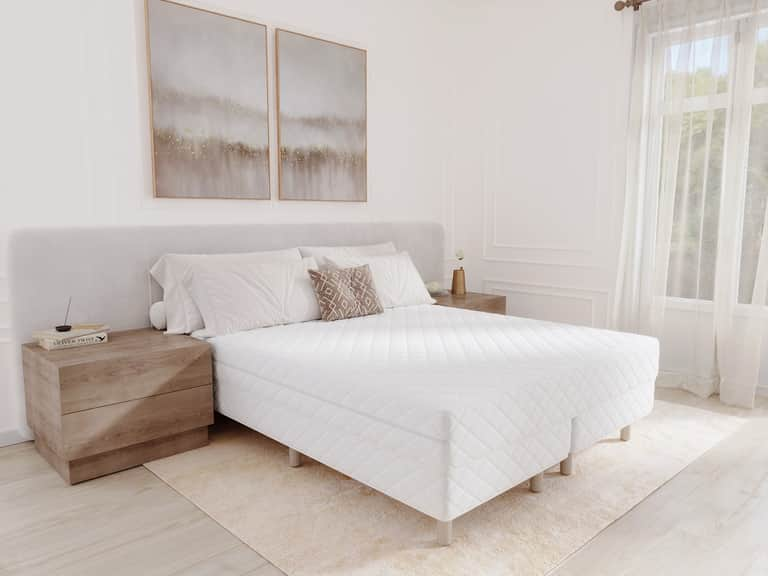
Fitted protectors use elastic around the edges or corners to hold the layer in place. They are generally straightforward to remove for laundering, but the covered area depends on the design and pocket depth. A zippered encasement wraps around the mattress more completely and closes with a zipper; this construction can be useful when full enclosure is a priority. It is a different format, not simply a fitted protector with a longer skirt.
For adjustable beds or split mattresses, confirm that the protector is made for the configuration. A one-piece cover can pull or bunch when the bed articulates, while separate pieces may allow each side to move independently. The right answer depends on the mattress design, the bed base, and whether the sleeping surfaces move separately.
It is also sensible to check where the protective layer ends. A fitted pad may cover the top and sides but leave the bottom uncovered. If the aim is to protect against bed bugs or allergens, construction, seam design, zipper details, and any relevant testing or certification become especially important. Avoid assuming that every waterproof cover provides a verified pest barrier; read the specific claims for the model in question.
The comfort equation: temperature, sound, and movement
Comfort is personal, and a waterproof layer can affect several parts of the sleep experience. A thicker or less flexible protector may change the way the mattress responds. A membrane can alter airflow through the bedding layers, and the surface fabric may influence how warm or cool the bed feels. These effects are shaped by the whole setup, from mattress materials to sheets and room conditions.
Water-vapor permeability can help a membrane-based protector feel less sealed than a fully impermeable sheet of material. It does not mean that every sleeper will experience it as cool. If temperature is a concern, compare the fabric, membrane description, thickness, and user-care requirements, and consider whether the protector adds padding. A thin, fitted design may feel less noticeable than a heavily quilted pad.
Sound is another practical consideration. A protector that crackles when it moves can become distracting in a quiet bedroom. Product descriptions may identify a design as quiet or crinkle-free, but construction and personal sensitivity vary. Where possible, look for specific information about the membrane and fabric rather than relying solely on broad marketing language.
Finally, consider how the layer behaves under a fitted sheet. A well-sized protector should lie smoothly without excessive tension. If it is too small or stretched beyond its intended depth, elastic may strain and the surface may pull out of shape. If it is too large, excess fabric can bunch. Accurate sizing is a simple but often overlooked part of comfort.
Care is part of performance
Even a well-made waterproof protector depends on appropriate care. Washing instructions differ: one product may tolerate machine washing and tumble drying, while another may require a gentle cycle, low heat, or air drying. High temperatures, bleach, harsh detergents, and fabric softeners can be unsuitable for some materials or may shorten the life of a membrane. The product label is the authority for the individual item.
After a spill, remove the sheets and protector promptly, then follow the stated wash directions. If liquid has reached the mattress, use the mattress manufacturer’s cleaning guidance as well; avoid saturating the mattress or applying a cleaning product without checking whether it is suitable. Before remaking the bed, allow washed layers and any affected mattress surface to dry completely.
Routine washing does not need to be identical for every household. The interval can depend on use, spills, allergies, pets, and the manufacturer’s instructions. A simple care rhythm is more useful than an ambitious schedule that risks unnecessary heat or over-washing. Inspect the protector periodically for a damaged seam, stretched elastic, thinning fabric, or a membrane that appears to be peeling or cracking.
When replacing a protector, consider the mattress warranty and care guidance. Some manufacturers specify how a mattress should be protected or cleaned. Keeping the original product information can make it easier to check compatibility and follow the right maintenance steps over time.
A measured approach to organic bedding
Organic bedding is often chosen for its materials, certifications, or a preference for a particular kind of sleep surface. A waterproof layer can be part of that arrangement, but the label alone does not tell you how it will function. Look at the composition from top to bottom: shell fabric, barrier, backing, elastic, and any added fill. Then consider which elements carry certification and what the certification actually covers.
“Breathable,” “natural,” and “chemical-free” are broad phrases that may mean different things in different product descriptions. Seek specific, verifiable information: named materials, stated construction, certification details, testing standards, and written care instructions. Claims about allergen or pest protection should also be evaluated on their stated scope. A waterproof membrane may block liquid; that fact alone does not establish that the product has been tested as a bed-bug encasement or will relieve allergies.
For households with infants, children, older adults, or people who need a particular hygiene routine, practical details deserve special attention. Check that the protector fits the mattress securely, can be laundered in a way the household can manage, and is compatible with the mattress manufacturer’s instructions. For infant sleep spaces, follow current safe-sleep guidance and the crib mattress and protector makers’ fit requirements; bedding should not be improvised in ways that create loose or ill-fitting layers.
A concise checklist before you choose
- Define the job. Decide whether you need a true liquid barrier, general moisture management, stain protection, or fuller mattress enclosure.
- Read the material list. Identify the surface fabric and the barrier separately, and note which components are certified.
- Measure mattress depth. Include any pillow top or added cushioning, and compare the result with the stated pocket depth.
- Consider feel. Check for quilting, padding, stretch, and details about noise or breathability.
- Check the care routine. Confirm washing temperature, drying method, and restrictions on bleach or fabric softener.
- Read protection claims precisely. Waterproofing, water resistance, allergen barriers, and pest encasement are not interchangeable claims.
- Review warranty guidance. Make sure the protector and its care instructions are compatible with the mattress manufacturer’s recommendations.
The quiet value of a well-chosen barrier
The best waterproof bedding is not necessarily the thickest, the most elaborate, or the one with the most expansive claims. It is the layer whose construction matches the household’s needs, fits the mattress properly, and can be cared for without guesswork. A thin membrane paired with cotton may offer a useful balance of liquid protection and a familiar textile surface; a wool moisture pad may serve someone looking for water resistance and natural fiber. The distinction lies in function, not hierarchy.
In an organic bedding setup, a thoughtful choice begins with transparency. Understand what the barrier is made of, what the textile contributes, and what “breathable” means in the product’s context. Then check dimensions and care. Those quiet details make the difference between a protector that stays out of the way and one that becomes an ongoing source of friction.
A mattress is a substantial part of the bedroom, both in scale and in daily use. Protecting it need not complicate the room or compromise its comfort. With clear expectations and a close reading of materials, a waterproof layer can become what it is meant to be: an unobtrusive, practical part of a considered bed.