Monmouth Mattress Pad
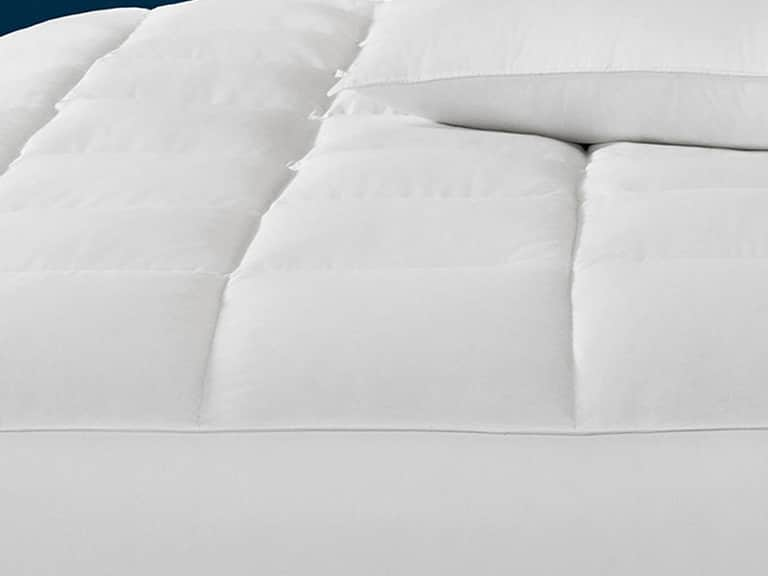
Luxurious, breathable loft that stays put—600+ fill power delivers soft, cushioned support while the elasticized sides fit mattresses up to 20 inches deep for a snug, custom feel.
In the realm of sleep science, the surface you rest upon is a couture choice. A wool mattress pad is not merely a layer; it is a performance piece—an airy, luxurious barrier between your body and the waking world. Wool, with its natural temperature regulation and moisture-wicking properties, offers a refined balance of softness, resilience, and practicality. This guide unveils why you might invite a wool pad into your sleep sanctuary, deciphers the types you’ll encounter, and shares care tips that keep this timeless material pristine for years of restful nights.
Wool has earned its reputation in the bedding world as a material that harmonizes with the body’s natural rhythms. Its crimped fiber structure creates tiny air pockets that act as micro-climates, wick away moisture while still offering warmth when temperatures drop. This dual capability makes wool pads versatile across seasons: a breathable, cool surface in heat, a comforting thermal ally in chillier months.
Beyond temperature, wool is inherently moisture-managing. It can absorb significant amounts of ambient moisture without feeling damp, helping to maintain a dry, comfortable sleep surface. This quality supports hygiene and can contribute to a sleep environment that feels consistently fresh—an appealing consideration for allergy-aware sleepers and households with variable humidity.
In terms of comfort and feel, wool offers a natural loft and resilience that can translate to a lightly cushioned surface without the heaviness of synthetic fillings. For many, a wool mattress pad provides the right amount of contouring and support, enhancing the sleep surface without altering the underlying mattress’s response too aggressively.
From a design perspective, a wool pad can read as a timeless investment—clean lines, understated texture, and a natural fiber that pairs beautifully with high-thread-count cottons, linen sheets, and other premium bedding staples.
The market offers a few core wool configurations, each appealing to different sleep needs and care preferences. Understanding the distinctions helps you select a pad that aligns with your comfort goals, existing bedding, and care routine.
When shopping, look for certifications (such as GOTS or other reputable textile standards) that attest to organic sourcing and safe processing for the wool. The ethical and environmental footprint of wool bedding matters to an increasing number of sleepers seeking luxury with responsibility.
Care routines for wool mattress pads are part ritual, part practical discipline. The beauty of wool is its forgiving nature—yet to preserve its loft, warmth, and moisture-management magic, you’ll want to adopt a few considerate practices.
Practical tip: rotate your wool pad seasonally if it has a preferred orientation or a slightly denser side. This can help ensure even wear across years of use, preserving a balanced feel across the sleeping surface.
The best wool mattress pad adapts to your mattress depth, climate, and sleep style. To refine your choice, consider a few guiding questions:
The wool option you gravitate toward should align with your bed’s core attributes: mattress depth, cover fabric, climate, and personal comfort signature. For a luxurious yet practical approach, a pure wool pad with a soft cotton shell often delivers a timeless feel—airy, breathable, and quietly sumptuous under a finely woven sheet.
A wool mattress pad is a thread in the broader tapestry of sleep wellness. While it stands as a sophisticated layer of protection and comfort, its value multiplies when integrated with other elements of a well-curated sleep environment.
Consider pairing wool with a breathable, high-thread-count cotton or linen sheet set to maximize air flow and comfort. Temperature regulation complements other routines—like pre-bed wind-down rituals, ambient lighting, and room humidity control—to cultivate a sleep-friendly climate.
If you’re addressing hygiene concerns or allergies, layering a high-quality, risk-aware protector beneath the wool pad can offer an additional barrier against moisture and potential irritants while maintaining the wool’s natural breathability.
In a Vogue-worthy bedroom, the presence of a wool mattress pad contributes to a sense of refined practicality: a natural material chosen for comfort, longevity, and quiet luxury, rather than fast-fashion trends.
The Monmouth Mattress Pad embodies a distinguished blend of luxury materials and meticulous construction. Crafted with European white goose down within a lightweight cotton batiste shell, this pad offers airy loft and a softly contoured feel that breathes with the body. While not a wool option, it exemplifies the broader premium category of mattress pads—focus on loft, distribution of fill, and a carefully engineered shell that supports a balanced sleeping surface.
If you’re drawn to Wool for its climate-regulating properties, the Monmouth helps illustrate the spectrum of high-end pads that cater to different preferences. Wool enthusiasts may appreciate the way a premium wool pad looks and performs, while lovers of light, airy loft may gravitate toward down-filled options that still deliver a plush, cloud-like experience.
For readers who want a tangible sense of luxury, this Monmouth pad demonstrates how a well-made mattress pad can elevate nightly comfort through thoughtful materials and construction—an aesthetic that resonates with a Vogue sense of refined sleep.
Whether you choose a wool pad or a high-loft, down-filled design, care routines shape longevity and performance. Here are streamlined steps to keep your investment in pristine condition:
A well-cared-for wool mattress pad remains a cherished part of your sleep ritual, a discreet luxurity that rewards attention with enduring comfort.
A wool mattress pad is more than a practical barrier; it is a conscious choice toward a healthier, more luxurious sleep ecology. Its natural temperature regulation, moisture management, and enduring resilience translate into a nightly ritual that feels both indulgent and essential. The right pad—whether pure wool, a wool blend, or a quilted, cotton-shell design—embeds itself into the fabric of your bedroom as a testament to refined living.
In the world of sleep couture, wool stands as a quiet emblem of quality. It invites a slower, more intentional approach to bedtime: a moment to slip beneath a layer that respects the body and the planet, and to awaken with a sense of balance that carries into the day.
This article aligns with the educational intent of mattress protection within a thoughtfully curated bedding ecosystem. For readers seeking specific product recommendations, the Monmouth Mattress Pad offers a high-end example of premium fill and construction, illustrating how luxury materials translate into a refined sleep surface.